


The CA South Model
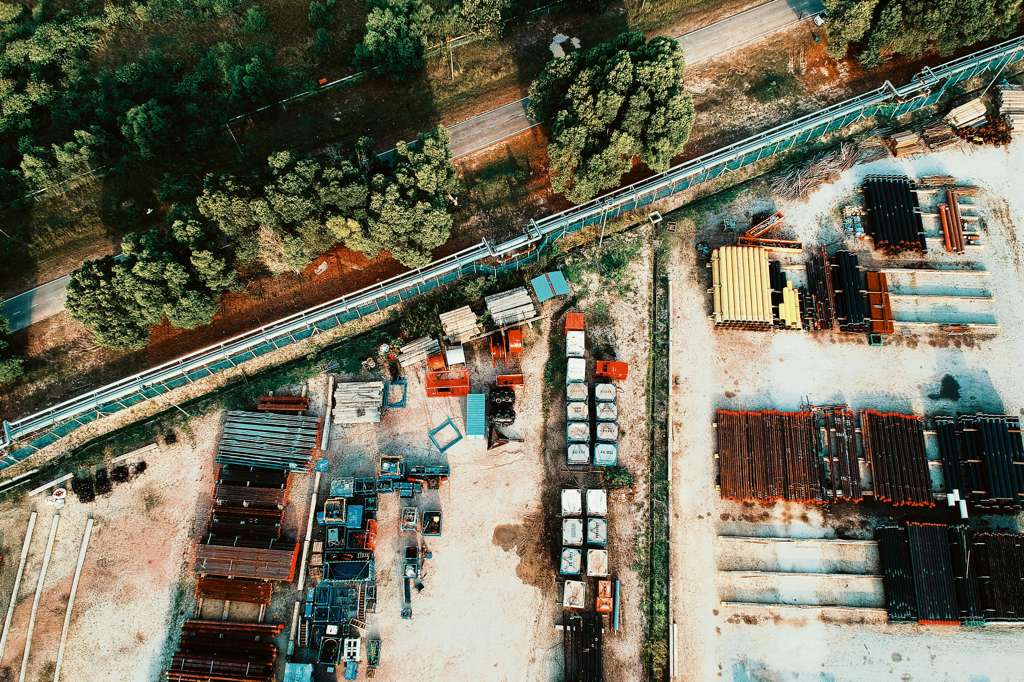
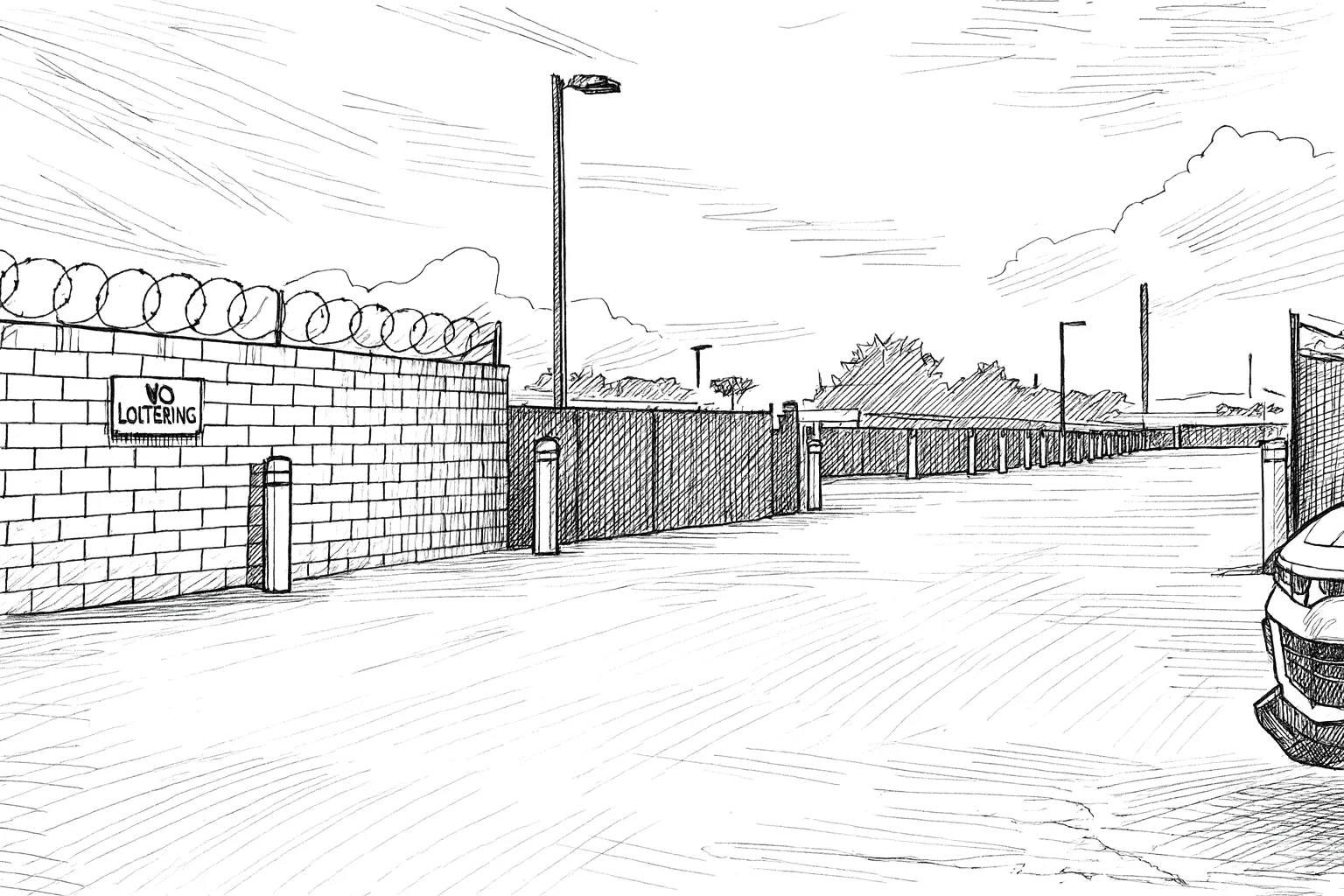
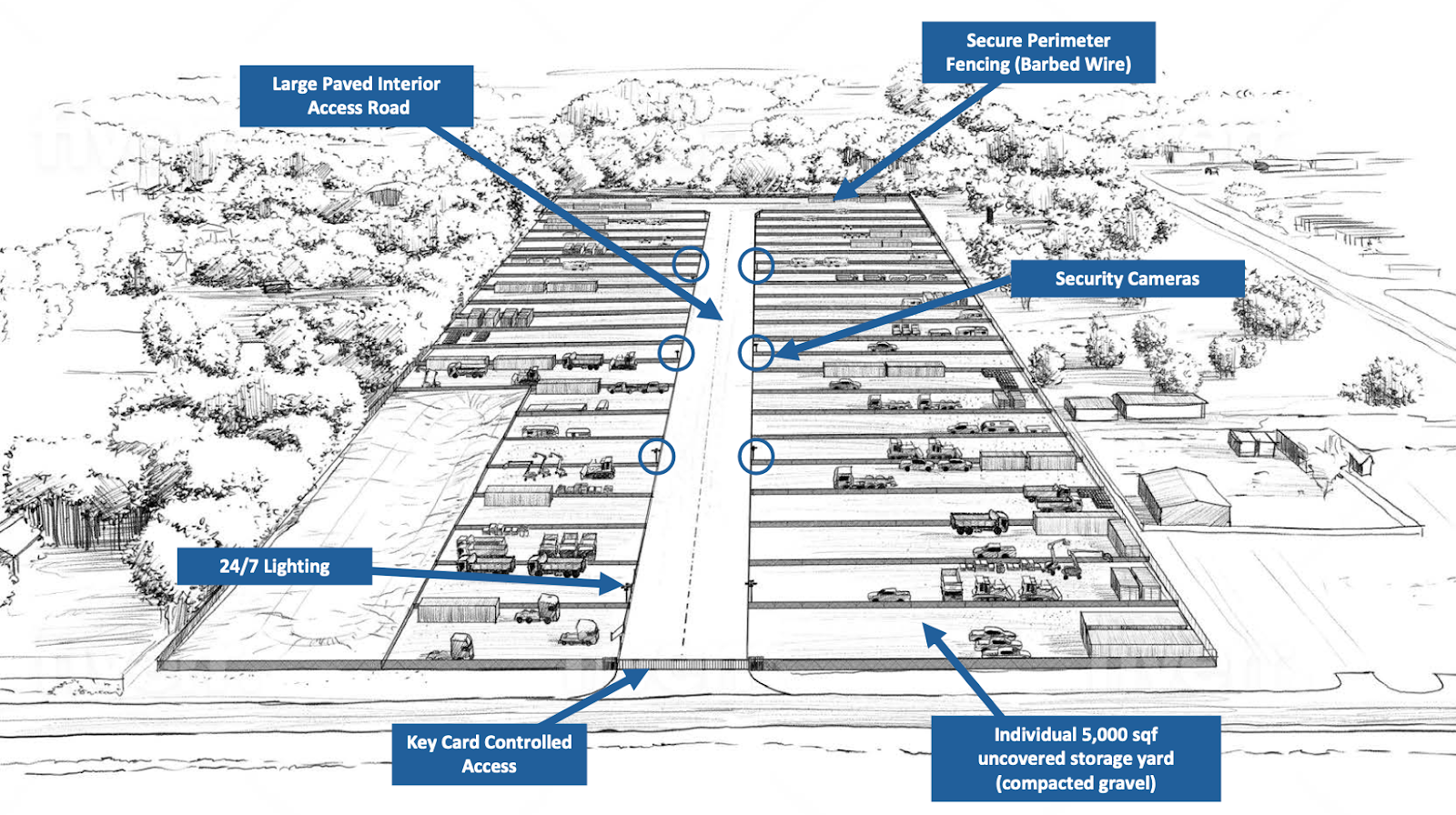
The core of the strategy lies in standardizing a product that has never been standardized before. Each yard is designed with secure perimeters, interior fencing between tenants, paved drive aisles, and controlled access systems. Contracts are flexible—often month-to-month—allowing tenants to expand or contract their footprint as needed.
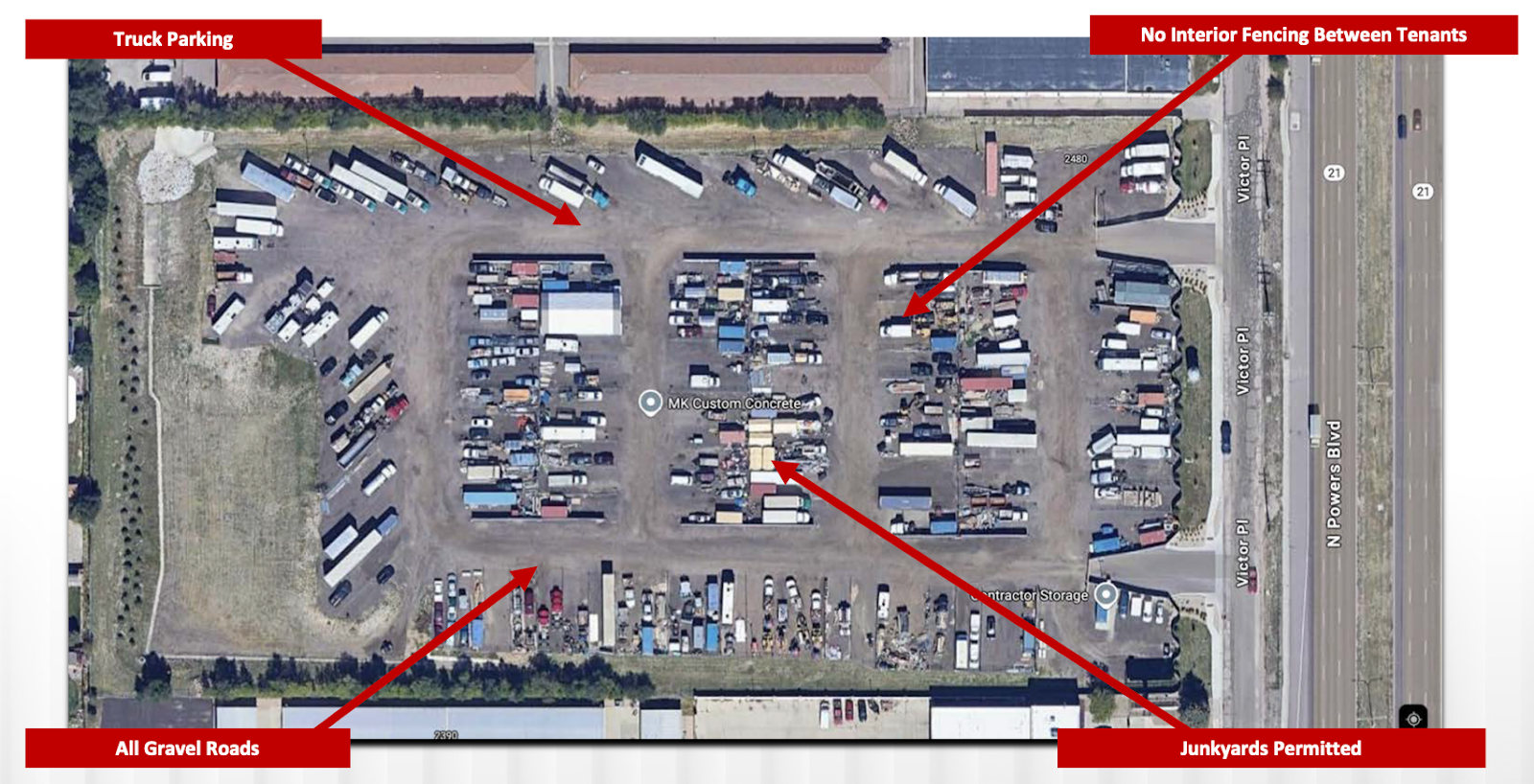
Despite the simplicity of the physical product, the operations are sophisticated. Leasing, payments, and tenant communication are fully digital, making the sites feel more like modern self-storage than traditional outdoor industrial. Every yard costs roughly $5M to develop, with construction timelines of just 9–12 months, and projected yields of 10%+ once stabilized.
The differentiator is institutional execution in a sector where “institutional” barely exists today.
Inside the Tulsa Flagship
CA South’s first secured outdoor storage site is rising in Tulsa, Oklahoma—a logistics-heavy market with industrial vacancy at just 3.1%. The project showcases what the scalable model looks like: standardized yards ranging from 2,500 to 10,000 sq. ft., fully fenced, lit, camera-monitored, and designed around an internal paved roadway.
.png)
The Tulsa site requires $5M in total development cost, $2.5M in equity, has entitlements in place, and is set to break ground in late 2025. It will deliver 50–75 rentable spaces and serve as the blueprint for the next markets in CA South’s pipeline.
Oklahoma City is next, followed by a sequence of shovel-ready sites across Texas and the Southeast—each selected for strong small-business growth, tight industrial vacancy, and favorable land economics.
Execution Team
CA South is led by founder and CEO Meg Epstein, who has delivered more than $1B in real estate projects and over one million square feet of industrial development. Her experience is paired with Khyl Powell, one of the country’s only developers with direct Class-A outdoor storage expertise.
Operations are powered by White Label Storage, which manages more than 160 sites nationwide and brings a proprietary technology stack for remote oversight, revenue management, and leasing automation. Local industrial brokers support tenant acquisition across each market.
The result is a blend of institutional development discipline, specialized operational knowledge, and localized execution.
Growth Plan
CA South’s expansion uses a hub-and-spoke strategy: enter a market with one flagship site, stabilize it, and then add follow-on projects to build density and operational efficiency. The first phase targets roughly ten sites requiring $3–6M of equity each, backed by a $50M+ pipeline already in place.
.png)
The long-term goal mirrors the self-storage playbook: establish the first national brand for contractor yards and create the institutional exit path that the sector currently lacks.