
GROMA
Investing in Micro-Multifamily
A deep dive into Groma’s technology-driven strategy to aggregate, renovate, and operate small multifamily buildings at institutional scale.
Category
Micro-Multifamily
Unlevered Yield Targets
4–5% dividends + 4–6% NAV growth
Current raise
Expanding from Boston → Providence → 20+ cities
Min. Investment
Investors buy into the REIT; minimum ~$1,000
Aptitude Overview & Current Investment Opportunity

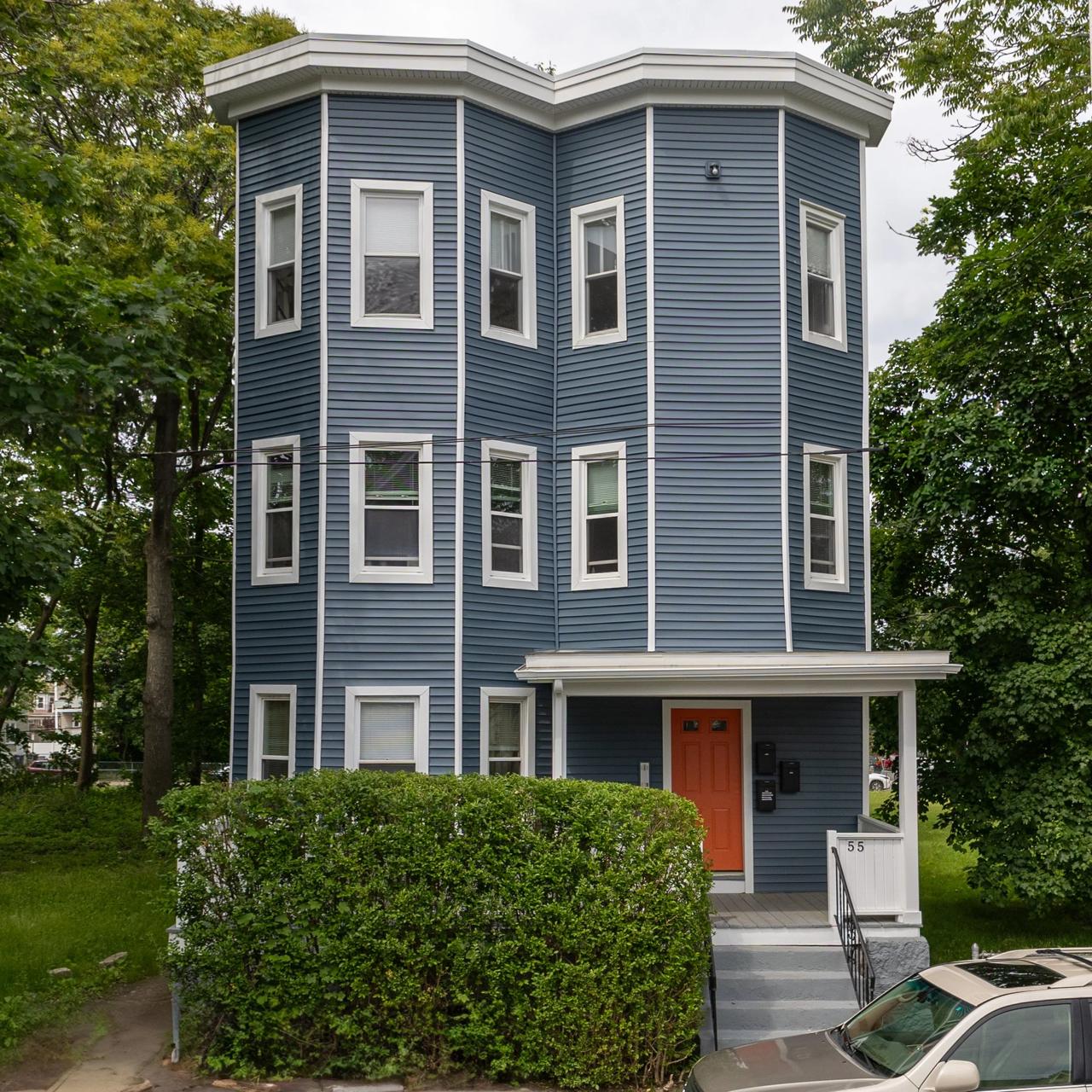
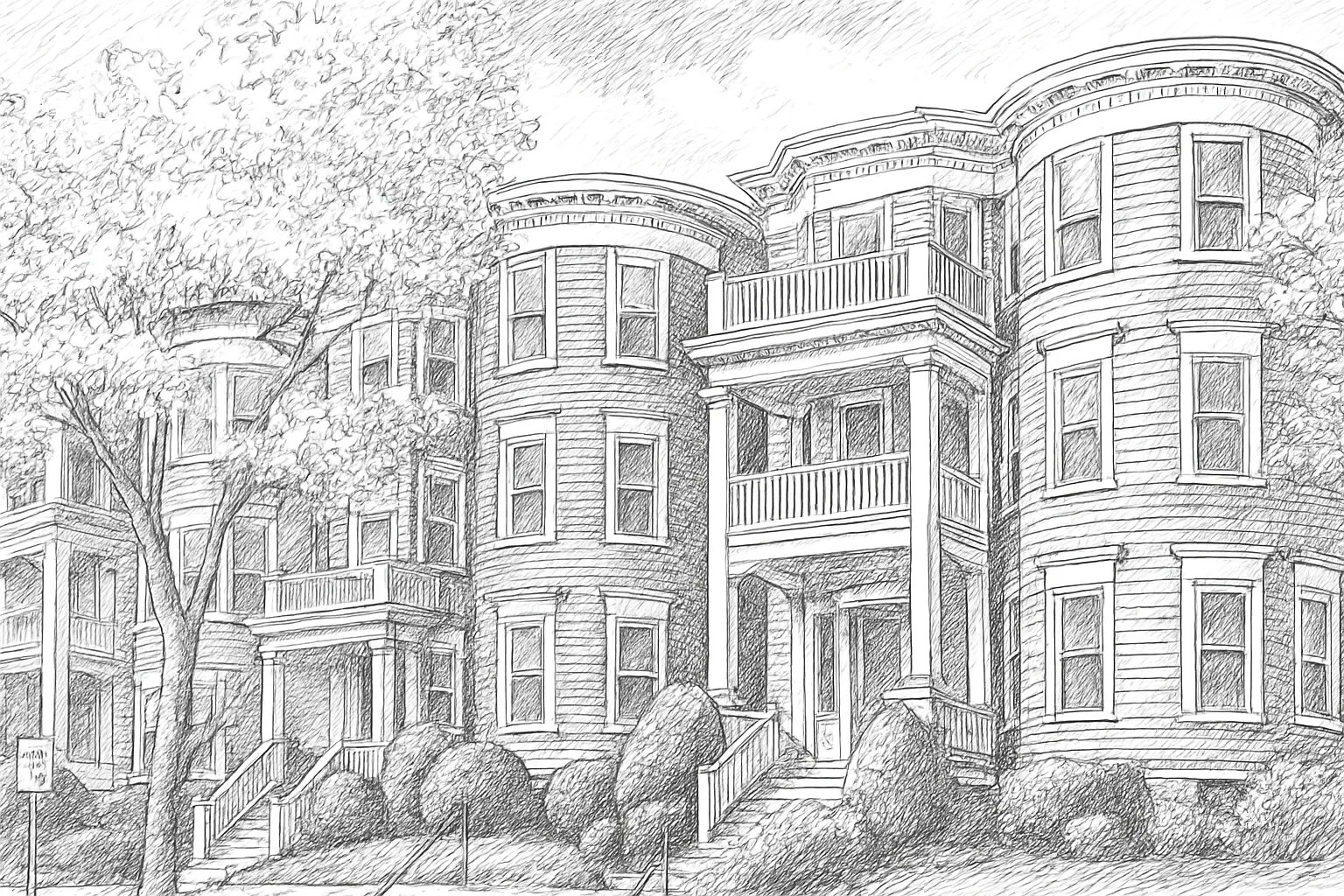
Small multifamily buildings—America’s three-deckers, walk-ups, and triple-deckers—house millions of renters across urban neighborhoods. Yet despite their scale, fewer than 1% of these 2–20 unit buildings are institutionally owned. The reason isn’t poor performance; it’s operational friction. These assets sit scattered across neighborhoods, each with unique layouts, leases, and infrastructure, making them costly and inefficient to manage.

Groma is changing that dynamic. Their platform turns micro-multifamily into an investable, scalable asset class by applying modern software, standardized renovations, and centralized operations. At the core is Grobot, Groma’s AI system that analyzes 90,000 properties each morning, flags acquisition targets, generates renovation scopes, and handles daily operations across more than 100 buildings.

This vertically integrated model allows Groma to acquire overlooked small buildings, upgrade them efficiently, and operate them at margins typically seen in much larger assets.

Key Takeaways
Grobot AI - Groma's Vertically Integrated Operating System
Grobot is the backbone of Groma’s vertically integrated model—an AI system that acquires, standardizes, and operates assets at scale. It automates acquisitions by analyzing 90,000 properties each morning, manages resident operations through RAG-based decision trees, and routes maintenance logistics across 120+ buildings. By combining data intelligence with operational automation, Grobot transforms small multifamily real estate into a scalable, high-yield platform
Groma's Investor Model: REIT Yields, IRR's, and Team Co-Investment
Groma delivers investor returns through a balanced “5-and-5” model—targeting 4–5% annual dividends and 4–6% NAV appreciation. Closed-end funds have achieved ~19% IRRs, while every team member, from executives to technicians, co-invests across all assets to ensure alignment.
Groma's 5-year Expansion Plan
Over the next five years, the team plans to scale from Boston and Providence to 20 key U.S. cities, building one of the country’s most dynamic real estate platforms. Rising demand, tight supply, and shifting interest rates create a powerful tailwind for expanding renter ownership.
Groma's Grading System: 130-point Standardization for Capital-Efficient Renovations
Between acquisitions and operations lies Grobot's third job: renovations. Using vision systems and the 130-point “Groma Grade” standard, the team delivers repeatable, high-quality upgrades across 120+ buildings—cutting renovation costs and timelines while maintaining design precision.

The Groma Model: Acquire → Standardize → Operate

Groma’s system begins with acquisitions. Instead of relying on analysts to sift through listings manually, Grobot screens tens of thousands of properties in seconds using hundreds of variables—size, location, renovation potential, rent upside, cap-rate spreads, and more. Human underwriters then refine the top matches.

Once a building is purchased, Groma applies a consistent upgrade standard known as Groma Grade—a 130-point renovation protocol that uses standardized materials, fixtures, and layout guidance generated directly by Grobot. Renovations that once took months now take six to eight weeks, and operating margins expand quickly as buildings stabilize.

Operations are centralized through the same automation engine. Grobot routes service calls, schedules maintenance, manages vendors, and tracks utilities across 120+ buildings. What once required entire teams now runs largely through software, creating NOI growth of 40–50% within two years and pushing expense ratios down from 45–50% to 30–32%.

Performance & Market Expansion

Groma’s Boston Fund I proved the model at scale: 39 buildings, 136 units, acquired across Boston neighborhoods including Mission Hill, Dorchester, and Jamaica Plain. The portfolio has delivered approximately 20% gross IRR, with occupancy near 98% and rent collections above 99%.
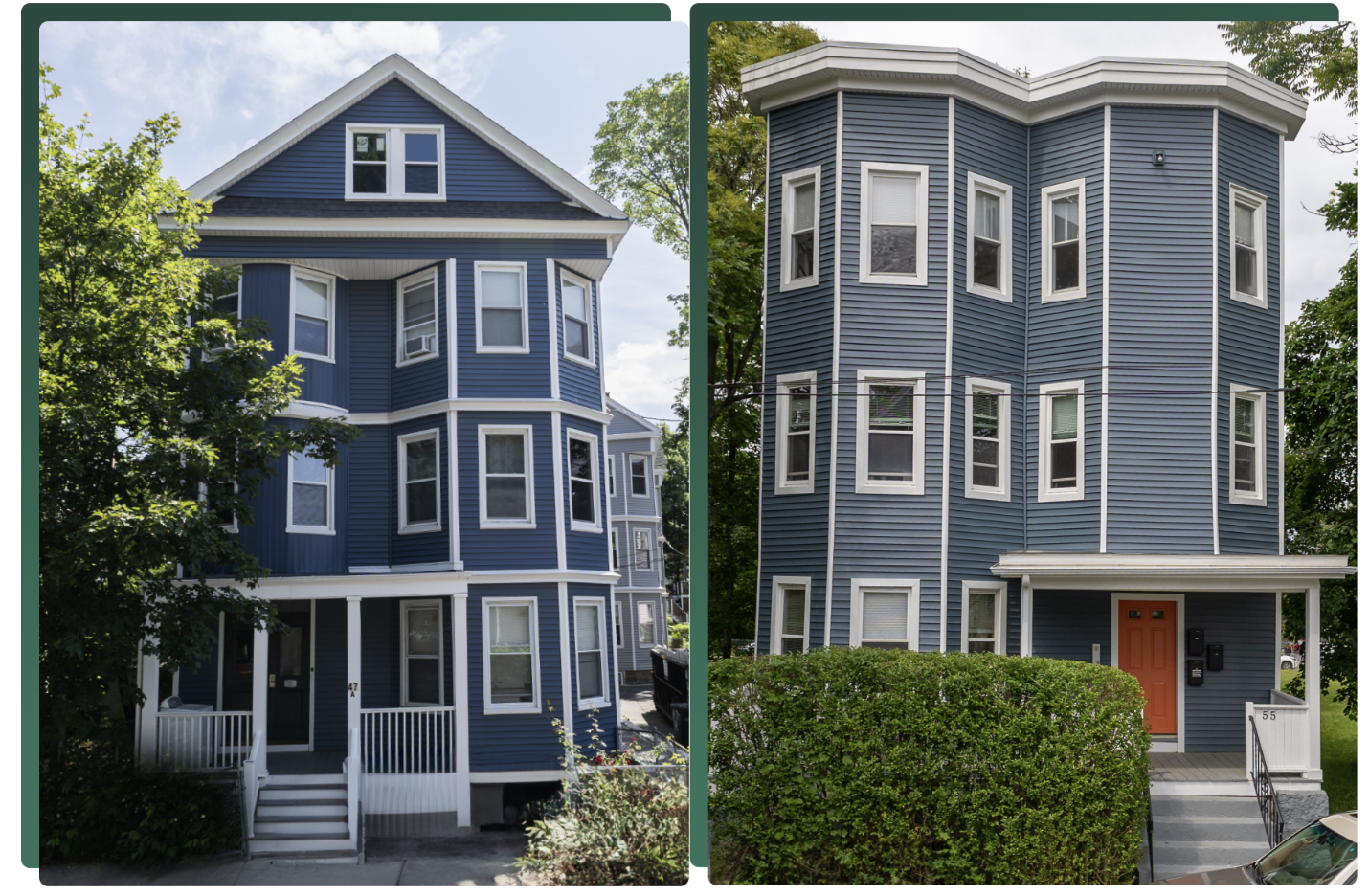
This success laid the foundation for the Groma Real Estate Trust, a perpetual private REIT that allows continuous capital inflows and reinvestment. The trust now manages over 100 buildings, with Providence as the next expansion market. Here, small buildings represent nearly three-quarters of the city’s multifamily inventory—offering Boston-like fundamentals, mid-6 cap rates, and constrained new supply.

Over the next five years, Groma plans to scale across 20 key U.S. markets, creating one of the country’s most technologically enabled, operationally efficient real estate platforms.

The Bigger Idea

Micro-multifamily challenges the assumption that scale can only come from size. Groma’s premise is that scale can come from software, standardization, and systems, not square footage. As data and operations consolidate, these once-fragmented neighborhood buildings begin behaving like a unified portfolio rather than isolated assets.

This shift could compress the 150–200 bps institutional gap between micro-multifamily and traditional apartments—unlocking yield, efficiency, and long-term appreciation across millions of units nationwide.

The model also opens the door to more accessible ownership. Groma is exploring tokenized shares (“GromaCoins”) and a Rentvesting program that lets residents earn ownership through rent—aligning the interests of renters and investors for the first time in this segment.


Investment Highlights
Investment period:
Expanding a perpetual micro-multifamily platform across 20+ cities.
Target returns:
4–5% dividends + 4–6% NAV appreciation; ~19% IRR historical funds.
Stabilization & Exit Strategy
Ongoing REIT-based liquidity with quarterly NAV.
Market validation:
2M+ micro-multifamily buildings; <1% institutionally owned.
Roundtable Recordings
Groma's 5-year Expansion Plan
Grobot AI - Groma's Vertically Integrated Operating System
Groma's Investor Model: RIET Yields, IRR's, and Team Co-Investment
Groma's Grading System: 130-point Standardization for Capital-Efficient Renovations
The
Groma
Team
Chris Lehman

Chris Lehman is a Co-Founder & Policy Architect at Groma, where he leads research and policy for the firm’s micro‑multifamily investment, acquisition and operations in Greater Boston. He previously served at Wayfair and Relativity, after roles in consulting (Amundsen) and as a Teach For America corps member. He holds a B.A. in Social Studies from Harvard University.

Seth Priebatsch

Seth Priebatsch is President at Groma, where he oversees corporate leadership and chairs the board of Groma Real Estate Trust. He previously held senior roles in consumer tech and food delivery, including Chief Strategy Officer at Just Eat Takeaway/Grubhub and Chief Revenue Officer and Head of Enterprise Restaurants at Grubhub. He previously attended Princeton University, and dropped out.

Ready to get introduced to
Groma
?
Let us know if you’d like to connect to learn more about investing with Aptitude. All investors must be accredited.
Thank you! Your submission has been received!
Oops! Something went wrong while submitting the form.
This is some text inside of a div block.
